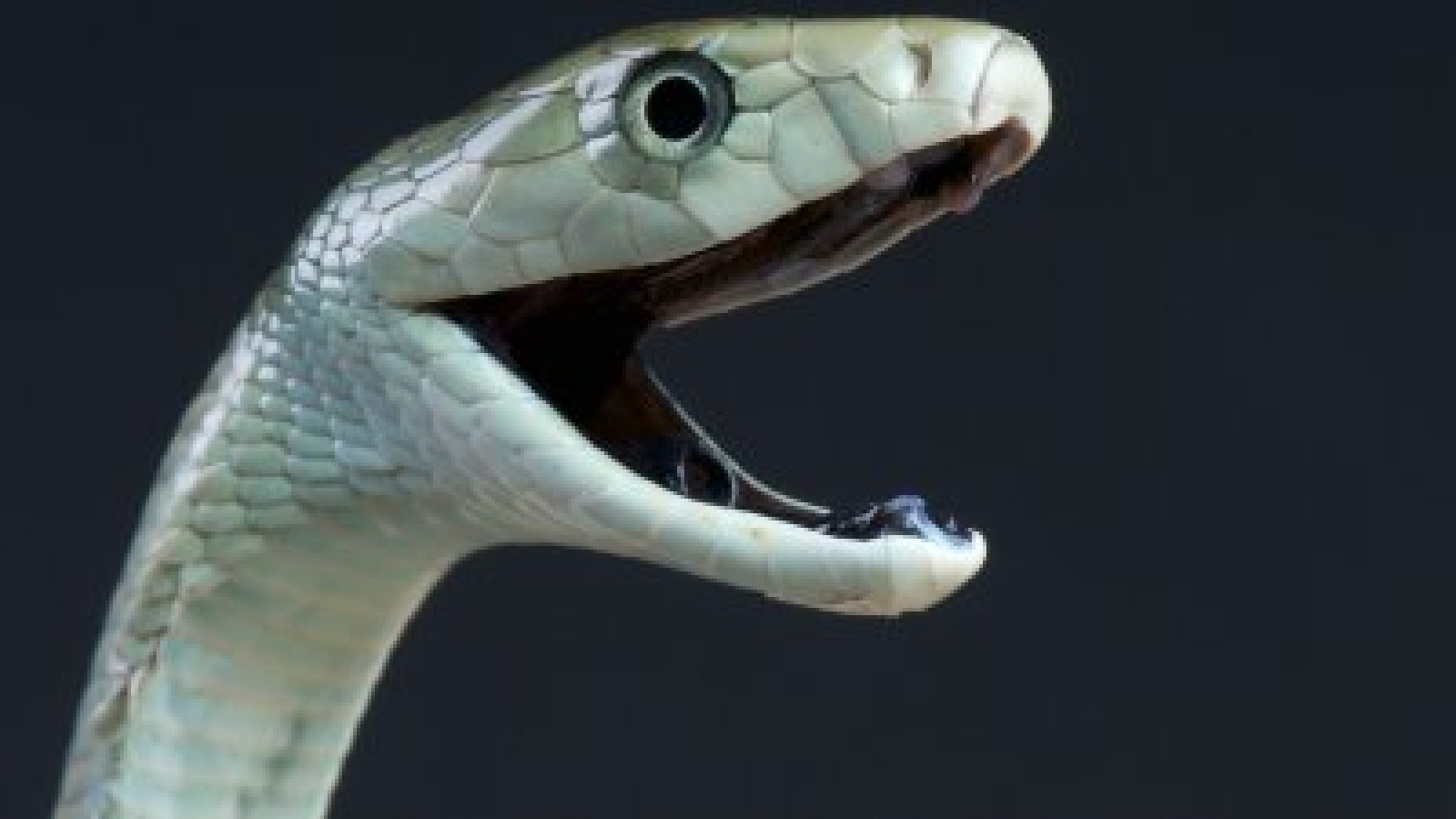
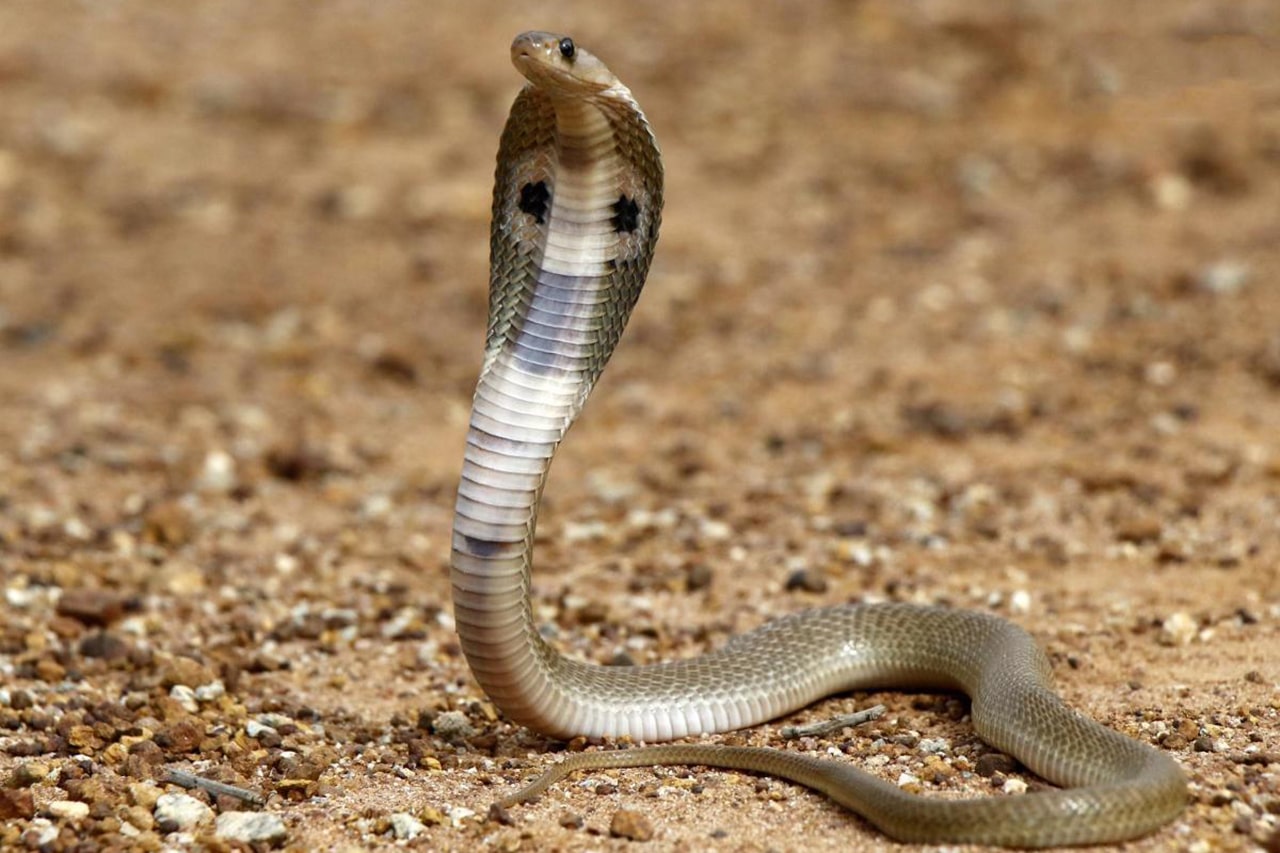
Indian Cobras are awesome. Indian Cobras live in many different countries including India, Pakistan, Sri Lanka, Bangladesh, Nepal, and Afghanistan. Indian Cobras usually live in open, wild forests. Indian Cobras are known for their hoods which look like a smiley face on their backs. Their color varies from black, dark brown, to a creamy white. They are 1.8 meters to 2.2 meters long. Lots of snakes don’t protect their eggs but Indian cobras protect their eggs. They mostly put their eggs in a hollow tree or in the ground. The female guards the eggs and only leaves to eat. The incubation takes around 50 days. A hatch ling can rear up, spread its hood, and strike. When an Indian cobra is threatened it will raise a third of its body and flare its hood which forms with its flexible neck ribs. Indian cobras usually eat rodents, lizards, and frogs. It strikes quickly then waits for its prey to die. Like all snakes, Indian cobras swallow their food whole. It sometimes wanders into buildings in search of rodents. The Indian Cobra eats rodents that carry sicknesses and eat people’s food. Cobra venom is a potential source of different medicines including anti-cancer drugs and pain-killers. Indian cobras are highly venomous, and they are lethal. Indian Cobras hunt rodents that thrive where people live. They often strike at people when they are hunting rodents and sometimes, they kill people. Indian cobras are not endangered but they are being hunted for its hood to make hand bags. We must save them!
Hindus in India worship cobras even though they are deadly while many Christians think snakes are like the devil. Hindus think a cobra is a positive symbol. Legends say that cobras protect important people and gods with their hoods. The Tamil people who live in southern India call Cobras Nulla Pambu which means “the good snake”. Creatures called Nagas are mythical semi-divine serpent-gods with five heads that are known as protectors of sacred places. They live in the underworld beneath the earth and the water. Many people in India annually risk their lives for the Great Cobra Festival. Shirala is a town in west-central India and hosts the great Cobra festival in July. Before the festival starts, men spend weeks digging up ground and earth looking for Cobras. When the Cobra is found, they carefully put it into a big earthen pot. When the festival starts, the people with Cobras parade around the town. When the Snake Charmers are done, the Cobras let out of their big pots. Handlers hold onto their tails when offerings are made. It is an annual Indian tradition.
Sometimes farmers actually catch snake charmers’ snakes. Snake charmers sometimes catch their own cobras. Usually farmers catch the snakes and then sell them to snake charmers. In 1972, a law was made to stop people from catching them. The ban was made to stop people from hunting them, but it also affected the snake charmers. In the 1970s, one tannery alone was processing 500 cobra skins a day. Snake Charming probably originated in India. The Hindu religion thinks Cobras are sacred animals so Snake Charmers were thought to be holy people. People who practice Hinduism thought snakes were protected by the gods. They also thought that Snake Charmers were influenced by the gods. The history of snake charming has been through lots of changes.
You need lots of materials to be a snake charmer. One of these materials is a basket, another one of these materials are a colorful mat, here is another one a flute and you will need a snake, that is all you need to be a snake charmer. The Plunji flute is made from dried fruit shells and two bamboo pipes. You use the Plunji flute for making the snake move side to side. When snake charmers work with their snakes, they lay the cobra in a basket with a blanket inside. A person plays a flute and the cobras sways back and forth. In ancient times, being a snake charmer meant you have magical powers. Snakes don’t have ears, so the cobra is swaying to the movement of the flute. If the snake charmer is not careful, one strike could kill the charmer. Each snake has fangs. People have different misconceptions about snake charming.
 snake stuff